EORI Numbers Explained: How French and EU Merchants Register Before Their First Export
Without an EORI number, your carrier cannot file export declarations on your behalf — your shipments stall at the border. Here is the registration process.

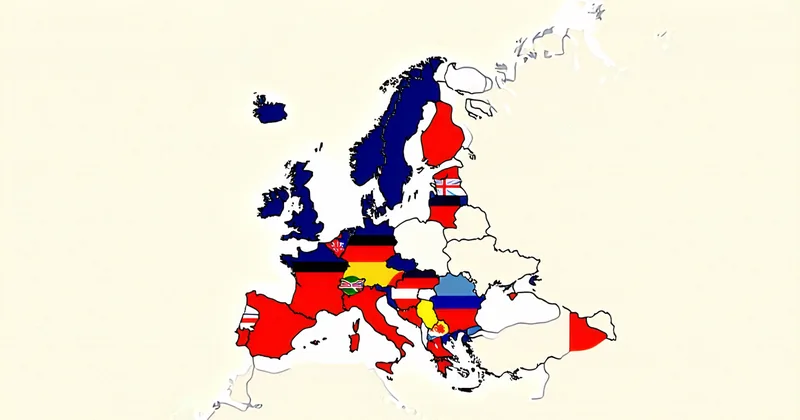
What an EORI Number Is and Why It Exists
The Economic Operators Registration and Identification (EORI) number is the EU customs identifier assigned to any person or company that lodges customs declarations or applies for customs decisions within EU territory. It was introduced across the EU by Commission Regulation (EC) No 312/2009, which amended the Customs Code Implementing Provisions, and became mandatory for all operators engaged in customs activities from 1 July 2009.
An EORI number is not a VAT number. It is not an IOSS number. It is a customs identity — the identifier that links a shipment's export declaration to a legal entity recognised by the EU customs authority. Every time a carrier files an export declaration on behalf of a shipper, the EORI number of the exporter must appear in the declaration. Without it, the carrier has no legal basis to declare your goods and the shipment cannot lawfully depart.
The Format: What an EORI Number Looks Like by Country
EORI numbers follow a consistent structure across EU member states: the two-letter ISO country code of the issuing member state, followed by a national identifier. In practice:
- France:
FRfollowed by a 14-digit identifier, typically derived from the company's SIREN (9 digits) or SIRET (14 digits) number. Example format:FR12345678901234 - Germany:
DEfollowed by a 7-digit customs reference number plus a 4-digit location suffix. Example:DE1234567001 - Netherlands:
NLfollowed by the RSIN (9 digits) and a 3-character suffix derived from VAT registration - Belgium:
BEfollowed by the company registration number (10 digits)
An EORI number issued in one EU member state is valid across all EU member states. A French merchant with EORI FR12345678901234 can use that same number for export declarations filed in any EU country — they do not need to obtain separate EORI numbers in Germany, Netherlands, or Belgium.
Who Needs an EORI Number (and Who Doesn't)
Any Shopify merchant who ships goods from an EU country to a destination outside the EU needs an EORI number, because an export declaration is required for every such shipment. This includes:
- French stores shipping to the UK (post-Brexit, UK is a third country)
- French stores shipping to Switzerland, Norway, or any non-EU country
- Any EU-based merchant shipping to the United States, Canada, Australia, or other non-EU markets
A merchant who sells exclusively within EU member states — French goods to German, Spanish, and Italian consumers, all dispatched from a French warehouse — does not file export declarations for those shipments (intra-EU goods movements are not subject to export declarations under the Union Customs Code). Those merchants do not require an EORI for domestic EU fulfilment, though they may need one if they import goods from outside the EU into their warehouse.
We are not saying every EU Shopify merchant needs an EORI immediately — if your fulfilment is entirely intra-EU and your suppliers deliver goods to your EU warehouse under their own import declaration, you may not need to act now. We are saying that the moment your first parcel leaves the EU customs territory, you need an EORI in place before the carrier attempts to file the export declaration.
Registration in France: The Trader Portal Process
French companies apply for EORI registration through the Customs Trader Portal maintained by the Direction Générale des Douanes et Droits Indirects (DGDDI). The portal is accessible at pro.douane.gouv.fr. The application requires:
- Company SIREN or SIRET number (from INSEE registration)
- Registered company name and legal form
- Registered address and postal code
- VAT registration number (if applicable)
- Contact details for the person responsible for customs operations
- Nature of the customs activities to be performed (export, import, or both)
There is no fee for EORI registration in France. Processing time is typically 2–7 working days from submission. The EORI number is delivered by email and is immediately valid for use in export declarations. No physical certificate is issued — the EORI is stored in the EU EORI database (accessible via the European Commission's EORI validation tool) and queried electronically by customs systems.
Brice Mba built REasy's EORI pre-fill functionality after seeing this step become a bottleneck for merchants preparing to go live: the application itself is straightforward, but locating the correct portal and understanding what SIREN/SIRET combination to use (company registration vs establishment number) cost merchants days of back-and-forth with the customs service.
Germany, Netherlands, and Belgium: Key Differences
Germany (DE)
German EORI registration is handled by the Bundeszollverwaltung (Federal Customs Administration) via the zoll.de portal. For German-registered companies, the EORI application links to the Unternehmens-Identifikationsnummer (UIK) or the VAT number. German processing times are typically 5–10 working days. German merchants with established VAT registrations often find that their EORI number is already derivable from their VAT number format — it is worth checking the EU EORI validation tool before submitting a new application.
Netherlands (NL)
Dutch EORI registration is administered by the Belastingdienst (Dutch Tax and Customs Administration) via the Douane portal. Dutch companies registered with the Kamer van Koophandel (KvK) can typically obtain EORI status by linking their KvK number and VAT registration. Processing is generally 3–5 working days.
Belgium (BE)
Belgian EORI registration is processed by the Federal Public Service Finance customs department. Belgian companies registered with the Banque-Carrefour des Entreprises (BCE/KBO) use their 10-digit enterprise number. Processing time is 3–7 working days.
OSS-Only Merchants: A Specific Clarification
A question that comes up frequently in merchant onboarding: "We're registered for OSS to cover our EU cross-border VAT. Does that mean we have an EORI?"
No. OSS (Union One Stop Shop) is a VAT registration scheme. EORI is a customs identity. They are maintained by different authorities and serve different purposes. An OSS-registered French merchant who ships goods from within France to other EU member states does not need EORI for those shipments — but if the same merchant starts importing goods from a non-EU supplier, they need EORI to receive those goods under their own import declaration. The two registrations are complementary, not interchangeable.
Similarly, IOSS registration does not confer or substitute for EORI. A merchant with an IOSS number (IMFR…) to collect import VAT at checkout still needs a separate EORI number to appear as the declared exporter on the commercial invoice and export declaration.
Practical Timeline: Building EORI Into Your Cross-Border Launch Plan
The most common mistake is treating EORI registration as something to handle after the carrier integration is in place. Carriers require the exporter's EORI number before they can file electronic export declarations. Without it, the carrier either rejects the shipment or files with a placeholder that can trigger customs hold on the destination side.
For a French Shopify merchant planning to launch UK shipping (the most common non-EU corridor for French DTC), the practical sequencing is:
- Submit EORI application via pro.douane.gouv.fr: week minus 3 before go-live
- Receive EORI number (2–7 working days): week minus 2
- Enter EORI in carrier account settings and in REasy EORI field: week minus 2
- Run test shipment with full commercial invoice, EORI, and HS codes: week minus 1
- Go live: week 0
Merchants who attempt to onboard with a carrier and discover mid-process that they don't have an EORI yet face a 2–7 working day gap during which no export shipments can be filed. In Q4, when shipping volumes peak, that gap costs sales.
EORI and Carrier-Filed Declarations: What REasy Automates
Once an EORI number is in place, the customs declaration workflow for standard B2C DDP shipments can be automated. REasy prefills the merchant's EORI into every commercial invoice generated at order fulfilment, passes it to the carrier API as part of the label request, and attaches the EORI reference to the IOSS declaration data where applicable. The merchant doesn't interact with the customs system directly — the EORI is a static configuration value that REasy uses on every shipment.
The one ongoing merchant responsibility is ensuring the EORI registration details remain current. A company that changes its registered address or restructures its legal entity must update the EORI record with DGDDI (for French merchants). Declarations filed with an EORI that doesn't match the current legal entity on the customs register can be challenged in a post-clearance audit, even if the goods themselves were correctly classified and valued.
Registration is a one-time event. Maintenance is a periodic check — but it is a check that many early-stage cross-border merchants never put on their compliance calendar.
REasy files customs declarations on your behalf once your EORI is in place — we handle the declaration paperwork so you don't have to.
Book a Demo